UNDERSTANDING YOUR PRESCRIPTION
Making Sense of Your Vision
Eye prescriptions can seem confusing, but they're simply measurements that help us provide the clearest possible vision.
KEY TERMS

Sphere (SPH)
The Sphere (SPH) value indicates the strength of the lens needed to correct your vision. A negative (-) number means you're short-sighted (myopic), while a positive (+) number means you're long-sighted (hyperopic). The further the number is from zero, the stronger the prescription required.
Cylinder (CYL)
The Cylinder (CYL) measurement indicates the amount of astigmatism present in your eye. Astigmatism occurs when the cornea or lens has an irregular shape, causing blurred or distorted vision. If your prescription includes a CYL value, your lenses are specially designed to provide clearer, sharper vision.
Axis
The Axis measurement works together with the Cylinder value to correct astigmatism. It describes the orientation of the irregular curve in your eye and is measured in degrees between 1 and 180. While the number may seem technical, it's simply used to ensure your lenses provide the clearest possible vision.
ADD
The ADD value refers to the additional lens power needed for reading or other close-up tasks. It is commonly included in prescriptions for people with presbyopia, a natural age-related change that affects near vision. This measurement is used when prescribing reading glasses, bifocals or multifocal lenses.
Prism
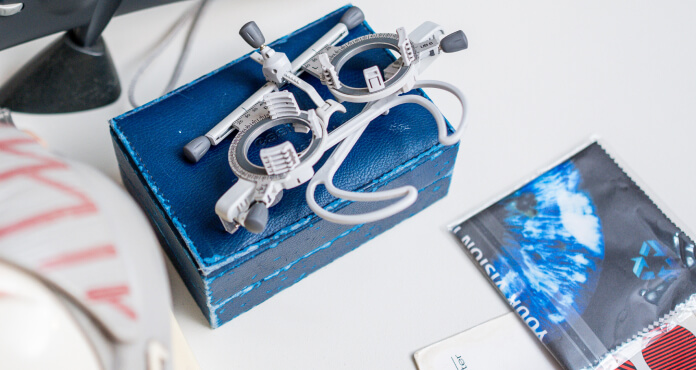
Prism is a specialised prescription used to help correct eye alignment problems. It can reduce symptoms such as double vision and improve the way your eyes work together. Not every prescription includes a prism measurement, but when needed, it helps provide more comfortable and stable vision.
PD (Pupillary Distance)
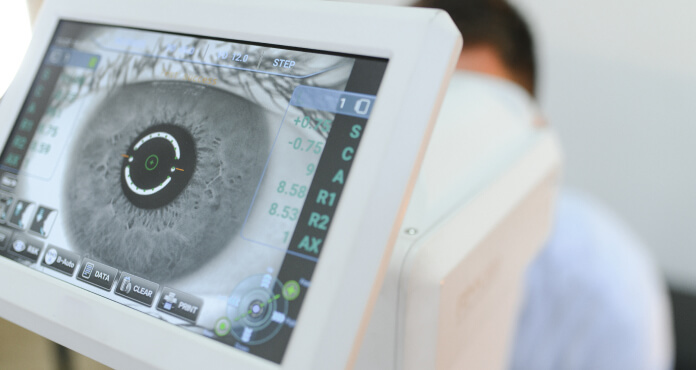
Your Pupillary Distance (PD) is the distance between the centres of your pupils. This measurement helps ensure your lenses are positioned correctly within your frames, providing the clearest and most comfortable vision possible.

What Short-Sightedness Means
Short-sightedness, also known as myopia, means you can see nearby objects clearly while distant objects appear blurred. It often develops during childhood or adolescence and may change over time. Glasses or contact lenses help focus light correctly, giving you clearer distance vision.

What Long-Sightedness Means
Long-sightedness, or hyperopia, makes it more difficult to focus on nearby objects, although distance vision may also be affected. Some people experience headaches or tired eyes, especially when reading or using digital devices. Prescription lenses help reduce eye strain and provide clearer vision at different distances.

Reading Glasses
Reading glasses are designed to make close-up activities such as reading, sewing or using a smartphone more comfortable. They provide additional magnification for near vision and are commonly prescribed as part of the natural ageing process when the eyes begin to lose their ability to focus up close.

Multifocal Lenses
Multifocal lenses allow you to see clearly at multiple distances using a single pair of glasses. They provide a smooth transition between distance, intermediate and near vision, making everyday activities such as driving, working on a computer and reading more convenient. Our team will help you choose the option best suited to your lifestyle.

Progressive Lenses
Progressive lenses are a type of multifocal lens that provide a gradual transition between different prescription strengths without visible lines in the lens. They offer clear vision for distance, intermediate and near tasks while maintaining a natural appearance.
Your Vision Deserves
Expert Care
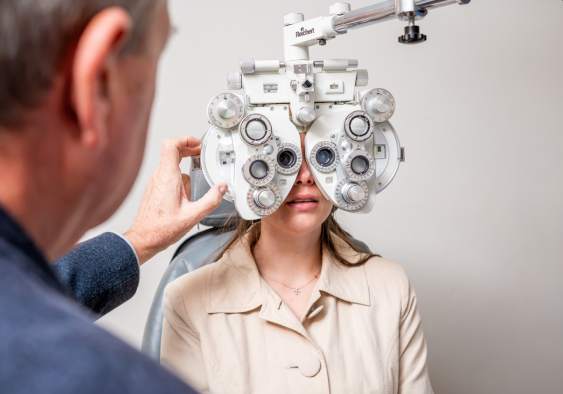
Whether you're booking your first appointment or returning for your annual eye examination, our experienced team is ready to help.