SYMPTOMS & CONDITIONS
Recognising the Signs of Healthy (and Unhealthy) Eyes
Many eye conditions develop gradually and may not present noticeable symptoms until vision has already been affected. Knowing what to look out for—and attending regular comprehensive eye examinations—can help detect changes early.
FEATURED CONDITIONS
Short-sightedness (Myopia)
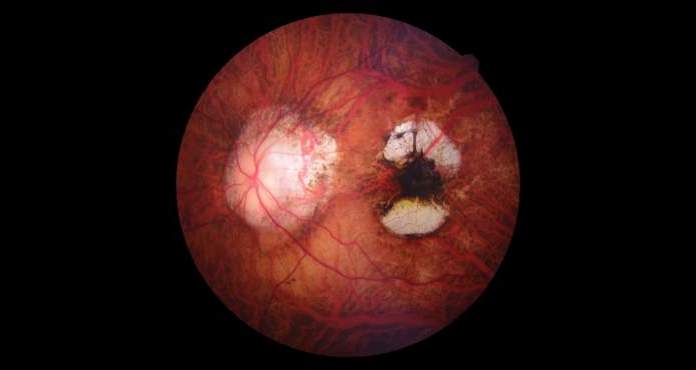
Myopia makes distant objects appear blurry while close-up vision remains clear. It commonly develops during childhood or adolescence and can be corrected with glasses, contact lenses or other vision correction options.
Glaucoma
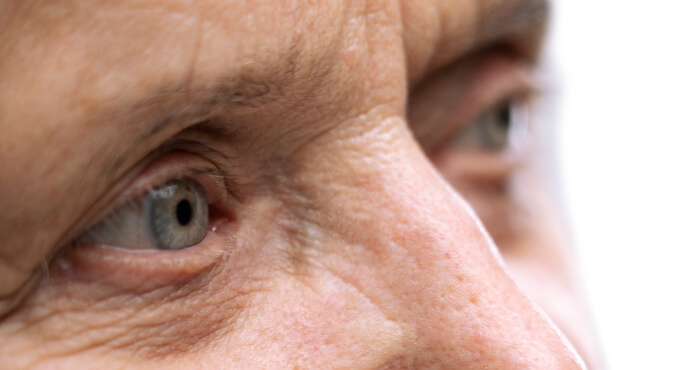
Glaucoma is a group of eye conditions that damage the optic nerve, often due to increased pressure inside the eye. It usually develops gradually and may not cause noticeable symptoms until vision has already been affected. Because vision loss from glaucoma cannot be reversed, early detection is essential.
Cataracts
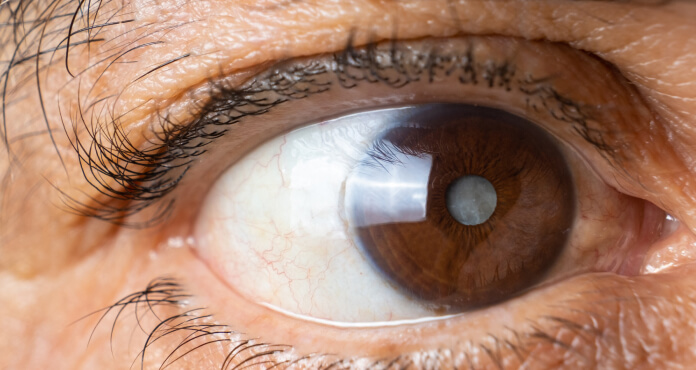
A cataract occurs when the eye's natural lens becomes cloudy, causing vision to appear blurred, dull or hazy. Cataracts commonly develop with age and can make everyday activities such as reading or driving more difficult.
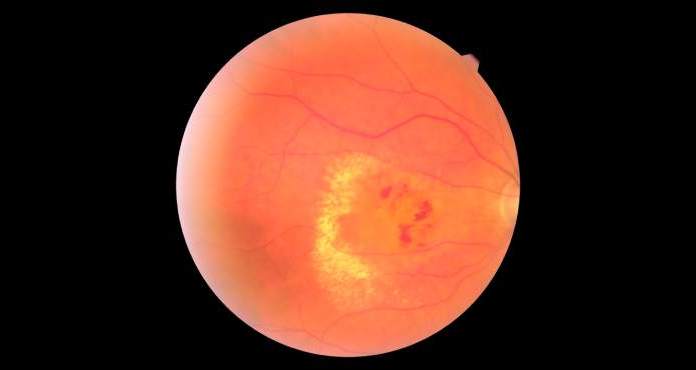
Age-Related Macular Degeneration (AMD)
Age-related macular degeneration (AMD) affects the macula, the part of the retina responsible for detailed central vision. It can make activities such as reading, recognising faces and driving more challenging. While AMD does not usually affect peripheral vision, early diagnosis and ongoing monitoring are important in helping preserve your sight.
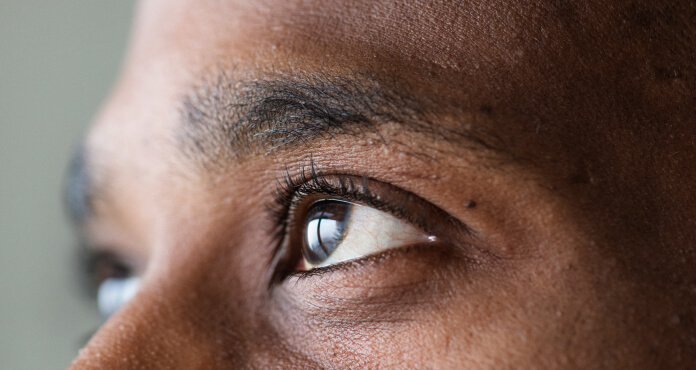
Diabetic Eye Disease
Diabetes can affect the tiny blood vessels in the retina, increasing the risk of diabetic eye disease. These changes often develop without noticeable symptoms, making regular eye examinations an important part of diabetes management.

Dry Eye Syndrome
Dry Eye Syndrome occurs when your eyes don't produce enough tears or when tears evaporate too quickly. Symptoms may include burning, irritation, redness, watery eyes or fluctuating vision. Dry eye can affect your comfort and the quality of your vision, but it can often be effectively managed.
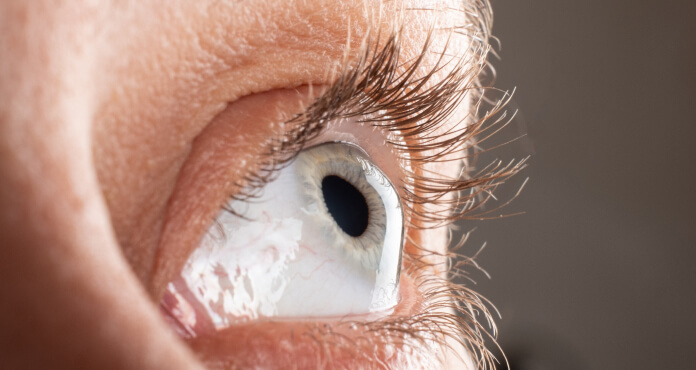
Keratoconus
Keratoconus is a progressive condition that causes the cornea to become thinner and change shape, resulting in blurred or distorted vision. It often develops during the teenage years or early adulthood and may progress over time. Early diagnosis is important for monitoring the condition and determining the most appropriate treatment.

Long-sightedness (Hyperopia)
Hyperopia, or long-sightedness, makes it more difficult to focus on nearby objects, although distance vision may also be affected. Some people experience headaches, eye strain or tired eyes, particularly when reading or using digital devices.

Astigmatism
Astigmatism is a common condition caused by an irregular shape of the cornea or lens, resulting in blurred or distorted vision at both near and far distances. It may also cause headaches or eye strain, especially after prolonged visual tasks.

Presbyopia
Presbyopia is the gradual loss of the eye's ability to focus on nearby objects and typically becomes noticeable from around the age of 40. You may find yourself holding reading material further away or experiencing eye strain when doing close-up work.
Your Vision Deserves
Expert Care
Whether you're booking your first appointment or returning for your annual eye examination, our experienced team is ready to help.