

Dip Optom FOA(SA), MC Optom (UK), TMOD (US), CAS (NECO), D Optom (UK), FSLS
Outline
- Who am I?
- WCO definition of optometry
- Is there a need for primary care optometry?
- Prevalence and management of glaucoma and diabetes
- What are optometrist currently doing?
- What should optometrists be doing?
- What about ophthalmology?
- What about additional training?
WCO Definition of Optometry
- “Optometry is a health care profession that is autonomous, educated and regulated (licensed/ registered),
- optometrists are the primary health care practitioners of the eye and visual system who provide comprehensive eye and vision care, which includes refraction and dispensing,
- the detection/ diagnosis and management of disease in the eye and the rehabilitation of conditions of the visual system”
What drives the Recognition, development and scope of a profession
- The establishment, recognition and development of any profession depends on the perceived need for the profession in that country
- Great efforts have been made towards developing the profession of optometry, yet we fail to reap the rewards

Recognition and Legalization
- Development of optometry in Africa has been adversely affected by opposition from organised medicine, lack of scope and slow legislative changes, inadequate education, poor service delivery and lack of posts in public health institutions
- “Optometry is supposed to be part of the primary healthcare system but it hasn’t yet been integrated into the system….”
Dr Udak Christabel Udom – President of the WCO and past president of AFCO and NOA
Causes of blindness in Africa
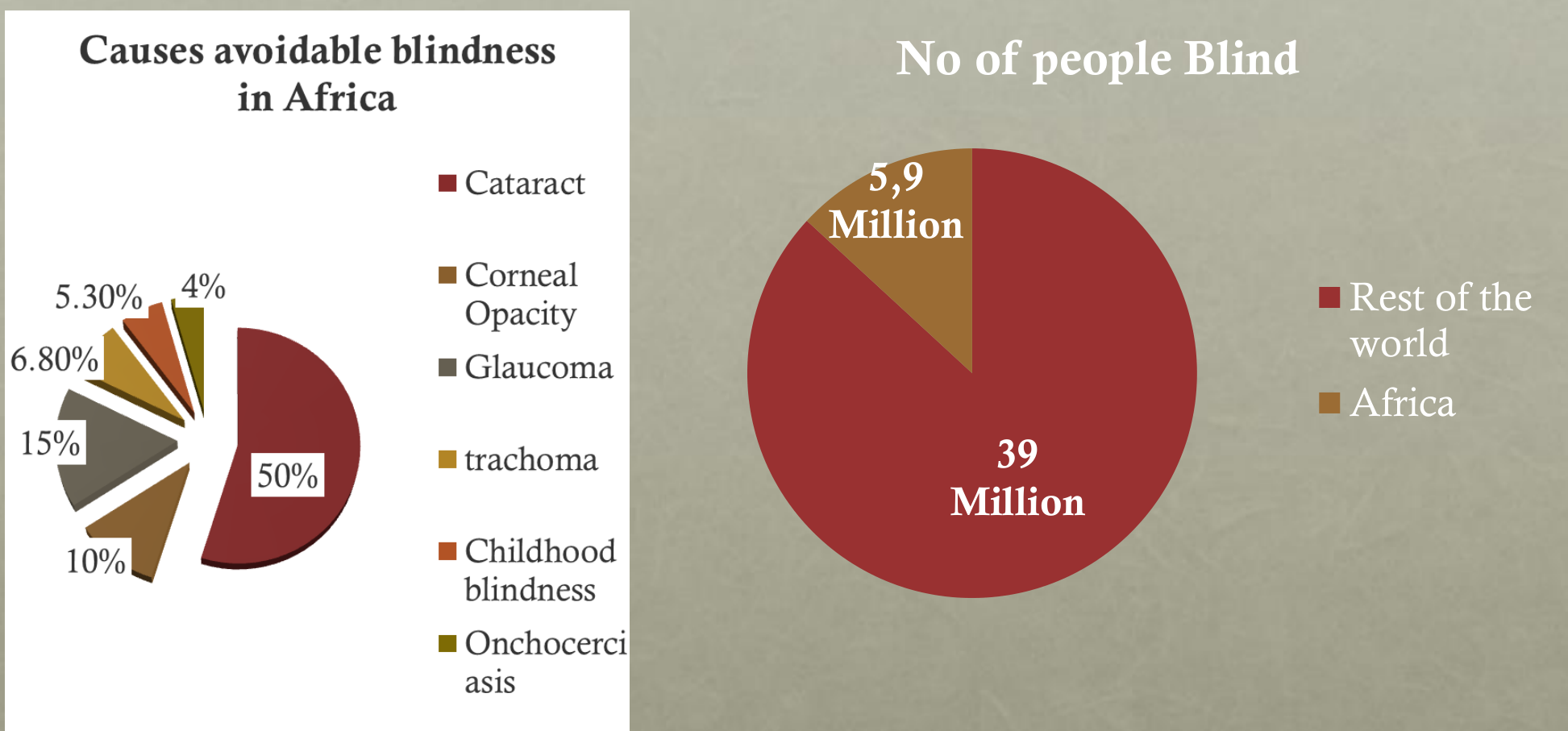
What about blindness caused by refractive error? 18% globally, probably much higher in Africa
Refractive error is the main cause of visual impairment in the 5 – 15yr old group globally
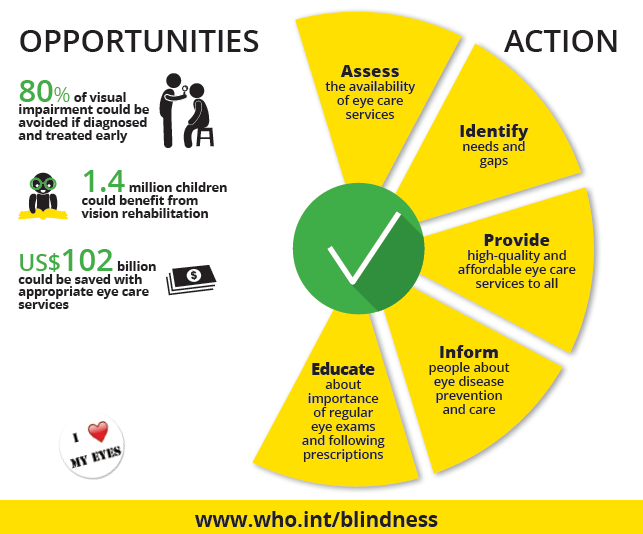
What can be done to prevent avoidable blindness?
Namibian Population Data
Source: http://countrymeters.info/en/Namibia
- During 2017 Namibia population is projected to increased by 57,953 people and reach 2,600,857 in the beginning of 2018
- 870,665 young people under 15 years old
- 1,568,031 persons between 15 and 64 years old
- 104,208 persons above 64 years old
- Total life expectancy (both sexes) at birth for Namibia is 52.2 years
- 87.5% African, 6.5% white
- How many receive care in the public sector?
Number of Ophthalmologists in South Africa and Namibia
- 324 Ophthalmologists in South Africa, only 70 of these in public sector
- Only 82% doing surgery
- This averages 6 ophthalmologists per million of population overall
- Only 70 in public sector – serving 40 million people or 1:500,000
- Namibia, 3 ophthalmologists per 1 million, total of 7 in practice
- How many in public sector?
- Ophthalmologists ratio per public sector?
- IOC also states that the number of ophthalmologists unlikely in SA (and Namibia) unlikely to change
Number of Optometrists in Namibia
- 90 Optometrists
- Ratio 1:28800 considering total population
- Majority in private sector
- Very few in public sector
- Due in part to the lack of public sector posts
- Very few involved in primary eye care
- Due to restriction on scope of the profession
- Lack of specialised training
- World wide only around 30% of practitioners convert to tier 4 of the WCO Global Competency Based Model of Scope
What is the ideal ratio for Africa?
According to the WHO the ideal ratio per population is:
- Ophthalmology 1:250 000
- Optometry 1:10 000
Currently in Africa:
- Ophthalmology averages around 1:1 million
- Optometry 1:100 000
Glaucoma in South Africa and Africa
| Prevalence of glaucoma | Studies |
|---|---|
| • 5% of African population in South Africa have glaucoma • Similar numbers are reported for African Cameroonians • 5.6% prevalence in Ghana • 4.2% prevalence in Tanzania • 1.5% prevalence among white South Africans | • Rotchford & Johnson. Arch Ophthalmol. 2002 Apr; 120(4):471-8. • Rotchford et al. Ophthalmology. 2003 Feb; 110(2):376-82. • Salmon et al. Arch Ophthalmol. 1993 Sep; 111(9):1263-9. • Ellong et al, Sante 2006 Apr-Jun;16(2):83-8. |
| • The SA prevalence is lower than estimates of 7% for Africans in Ghana and in Barbados (Caribbean) | • Ntim-Amponsah et al. Eye (2004) 18, 491–497. • Fatima Kyari et al. Middle East Afr J Ophthalmol |
POAG 5% in > 40 year old people of African ancestry
Glaucoma
- Glaucoma is a chronic, incurable eye disease resulting in loss of vision and ultimately blindness
- Although the disease cannot be cured, treatment is aimed at maintaining vision throughout life – Saved Sight Years
- 1–2 mmHg higher than target IOP = 10–20% more rapid progression, patient develops serious field loss*
- 1–2 mmHg lower than target IOP = 10–20% slower progression, patient avoids serious field loss*

*Heijl et al. Acta Ophthalmol 2013;91:406–12
Predicting the burden of glaucoma care in Namibia
- According to population data ± 2.3 million people of African ancestry reside in Namibia
- 1.5 million of them are between 16 and 64, and 104 000 are older than 64 years
- Lest assume 800 00 is over 35 years
- If 5% of the population over 35 years have glaucoma then the number of African citizens in Namibia with glaucoma is (800 000 x 5%) 40 000 *
*Up to 50% of glaucoma remains undiagnosed – QUIGLEY, H. A. & BROMAN, A. T. 2006. The number of people with glaucoma worldwide in 2010 and 2020. Br J Ophthalmol, 90, 262-7
GLAUCOMA
Management
South African Glaucoma Society Guidelines and European Glaucoma Society Guidelines state the following:
Every new glaucoma patient should receive:
- Comprehensive clinical examination including:
- Slit-lamp examination,
- Tonometry,
- Fundus and optic nerve head examination,
- Gonioscopy,
- Corneal thickness measurement,
- Special investigations to document the extent of structural damage to the optic nerve head and the retinal nerve fiber layer: OCT, disc photography, computer assisted visual field analysis,
- Comprehensive discussion and information session to answer questions and educate the patient on the disease
Follow up FOR CONTROLLED PATIENTS:
- Patients should be seen 3 times per year
Follow up FOR UNCONTROLLED PATIENTS:
- Patients may need to be seen up to 6 times per year
Let’s Do the Math
- 40 000 cases of glaucoma in just the African community in Namibia
- If half are stable and half are not, then the EGS guidelines require 3 visits per year for controlled patients = 60 000 visits in Namibia
- In uncontrolled cases up to 6 visits per year = 100 000 visits in Namibia
- TOTAL = 160 000 visits are needed to take care of non-surgical glaucoma in Namibia
- Assuming each visits lasts only 15 minutes, that would require 40 000 hours in Namibia
- Note that this is only “doctor time” and assumes there are assistants doing all ancillary tests (and leaving no time for the doctor to later review any of these tests)
- A person working a 40 hour work week for 48 weeks/year = 1920 hours per year
- To provide 40 000 hours of care would require 20 ophthalmologists working full time, SOLELY on the non-surgical, medical care of glaucoma patients –not counting any care for cataract, diabetic retinopathy, macular degeneration or even glaucoma surgical care (not to mention routine red eye cases, all other eye diseases)
…and thats before we even begin to talk about the Diabetes Tsunami
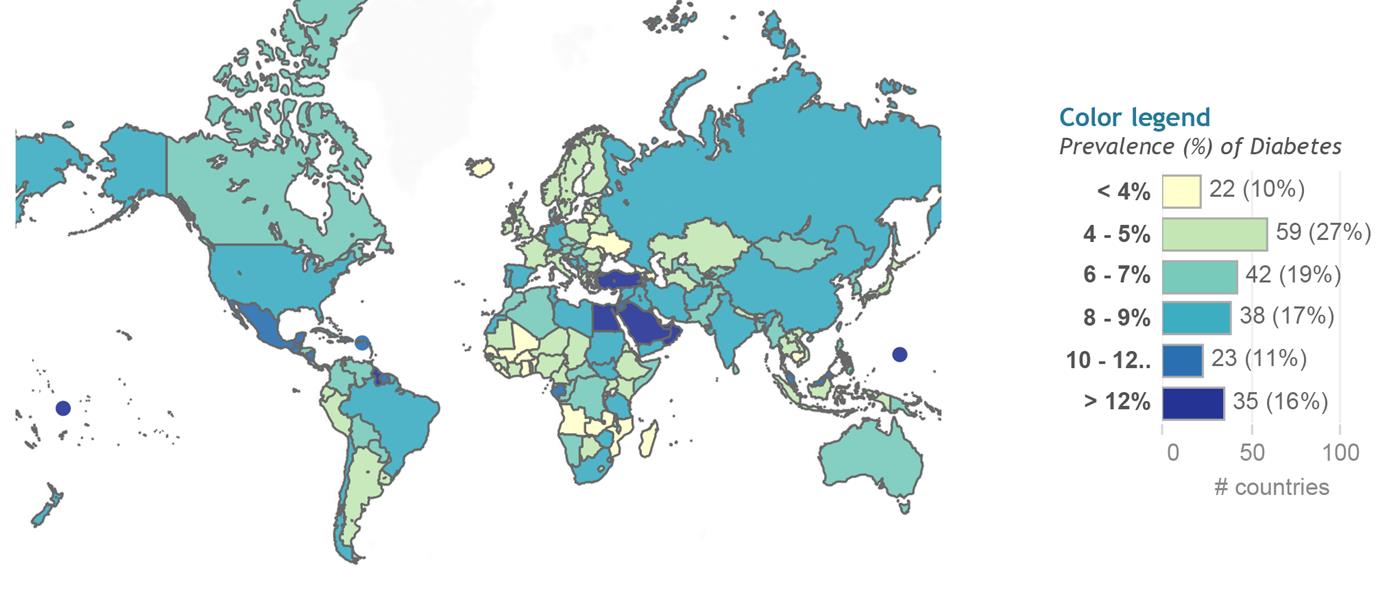
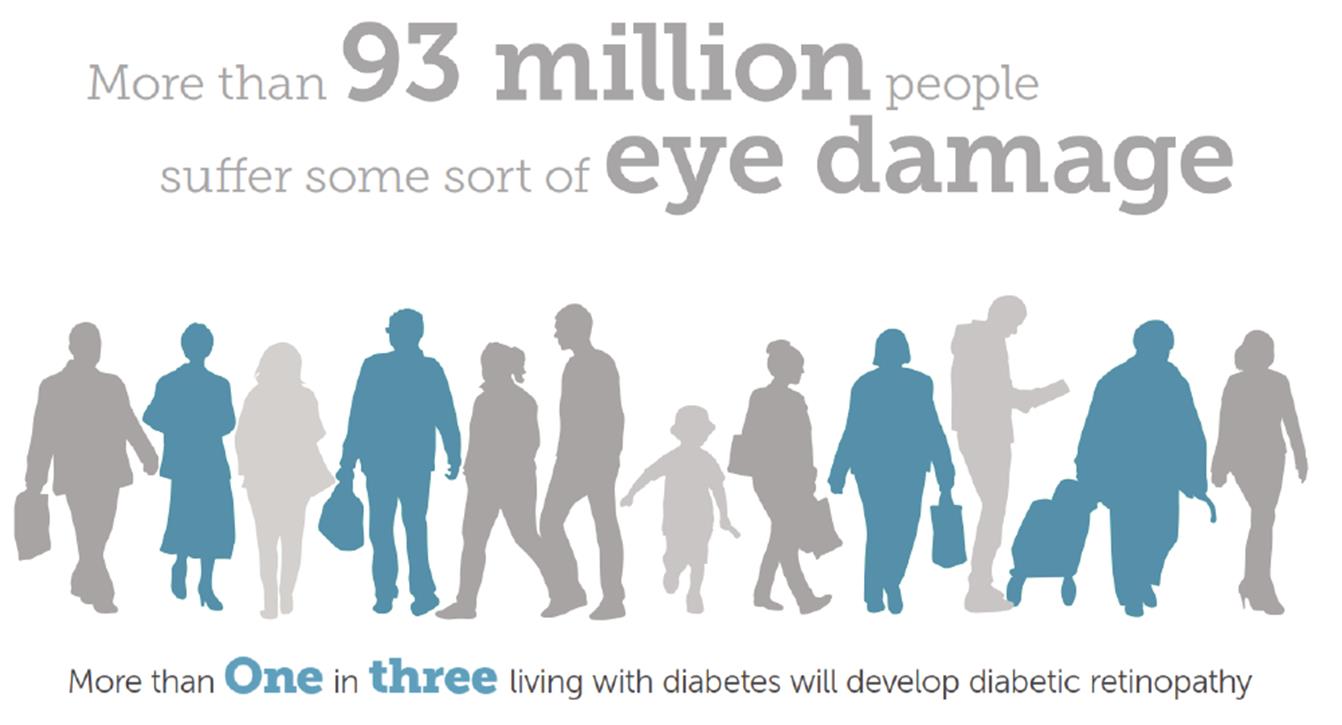
- In 2015, 415 million people world wide had diabetes, this included 14 million people in Africa
- It is projected that these figures will double by 2040
Diabetic retinopathy
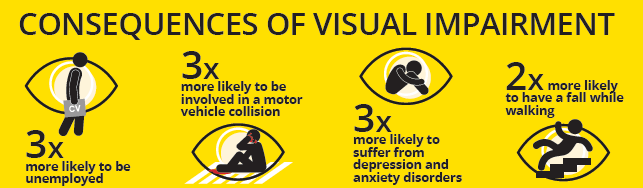
Social Impact of Vision Loss
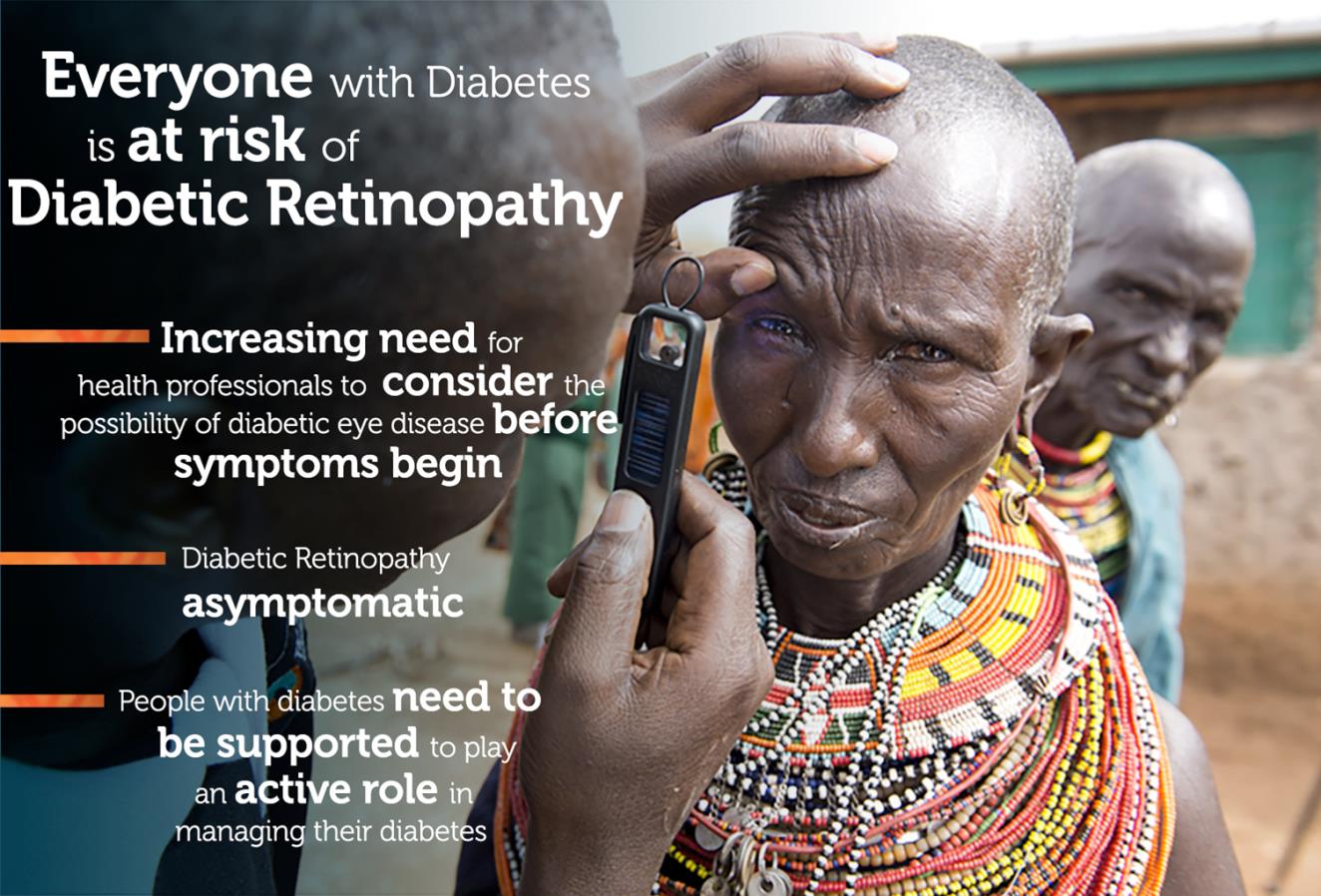
- Less access to health support services
- Loss of independence and dignity
- Need for greater social support
- Women and girls suffer most
Timing of Eye Screening
| Retinopathy screening | Type 1 diabetes | Type 2 diabetes | Gestational diabetes |
|---|---|---|---|
| Initial | 5 years after diagnosis | As soon as possible after diagnosis | As soon as possible after diagnosis |
| Ongoing | Yearly | Yearly | If diabetes resolves after pregnancy no further screening needed |
Diabetes in Namibia
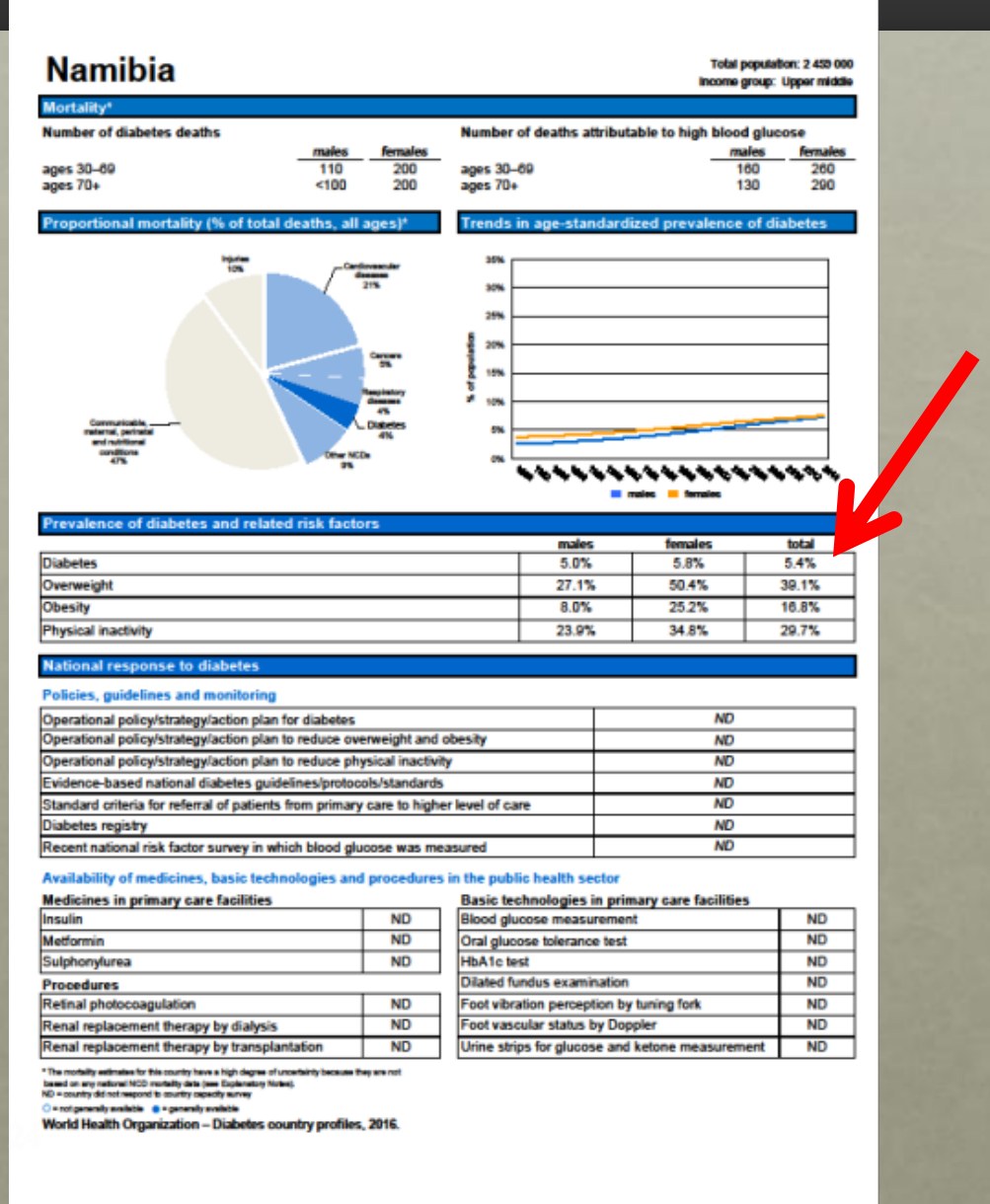
- Prevalence of diabetes is 5,4% of the population
- 2,6 million people >140 000 people with diabetes in Namibia
Let’s do the math
- The numbers here are much harder to calculate but if we assume just 1 dilated exam annually averaging 10 min, not counting time to dilate
- 23330 hours of care per year in Namibia
- Again, one person working a 40 hour work week for 48 weeks/year equals 1920 hours per year.
- That’s another 12 ophthalmologists doing nothing but dilated fundus examinations on KNOWN diabetics once a year, without any FAs, no PRPs, no vitrectomies…..
To Summarize
- Theoretically, Namibia require at least 32 ophthalmologists, spending ALL their time, just to cope with the burden of glaucoma and diabetes
- What about cataracts, surgical glaucoma, dry eye, VKC, contact lens complications, and all the other eye disease commonly encountered in practice?
- This is a similar situation to many other countries, not only in Africa but all over the world
How should the gap be filled?
There are three options:
- Dramatically increase the output of ophthalmologists
- Create a new medical specialty of non-surgical ophthalmology that could be trained quicker and cheaper than surgeons
- Fundamentally upgrade the training of optometrists, freeing surgeons to do more surgery and vastly increasing the portals of entry for routine medical eye care
- Add more assistants, nurses, to the staff of the present number of ophthalmologists, teaching them to manage disease under the direct supervision of an ophthalmologist
Other Role Players
- “Besides optometrists and ophthalmologists, there are other players in this game
- GPs diagnose and treat ocular pathology all the time
- Occupational health nurses and pharmacists do too. And then of course there are the homeopaths, faith-healers, sangomas, inyangas and many others
- Compared to all of these players, optometrists are far and away the most skilled and knowledgeable about eye diseases. Not only because they concentrate just on eyes and vision every day, all day, but because they have the instruments that enable proper diagnosis”
Dr Clive Novis, As I see it: Ophthalmology versus optometry; Vol 11 | No 4 • Spring 2016 SA Ophthalmology Journal 46
Education before legislation
Acquisition and Development of New Clinical Skills
(Kennedy report)
“Any clinician carrying out any clinical procedure for the first time must be directly supervised by colleagues who have the necessary skill, competence and experience until such time as the relevant degree of expertise has been acquired”
WCO Global Competency Based Model of Scope of Practice in Optometry
- Addressed the diversity in optometric qualifications by establishing a four step ladder of qualifications
- Dispensing optics (level 1)
- Refractive and investigative functions (level 2)
- Diagnostics (level 3)
- Full scope optometry (level 4)
- Namibia is currently at level 2
- Postgraduate courses in ocular diagnostics and therapeutic prescribing are available in South Africa, the USA, UK, Australia and New Zealand
- Currently optometric therapeutic prescribing is an entirely post graduate qualification
Why Upgrade the Training of Optometrists?
- ADVANTAGES
- Much broader access to eye care in widely dispersed community-based clinics overseen by independently registered optometrists
- Individuals providing care are each personally liable for their care
- DISADVANTAGES
- This will require invention and training of a provider very different from today’s average optometrist
- Implementation of specialized training to meet the needs of the specific community or country these optometrist serve – decolonization of education
This option is the one that has been chosen most often around the world
Namibian Optometrists – Survey
More than 30% of Namibian practitioners responded
What is your highest level of optometric training?
| B Optom or equivalent degree | B.Optometry with DPA’s |
| Certificate of advanced studies (CAS) or equivalent in diagnostics and therapeutics | CAS > 10 with DPA’s none with TPA’s |
| Master’s degree | None |
| Doctorate | None |
| Other | > 5 Sport Vison / Diabetic certificates |
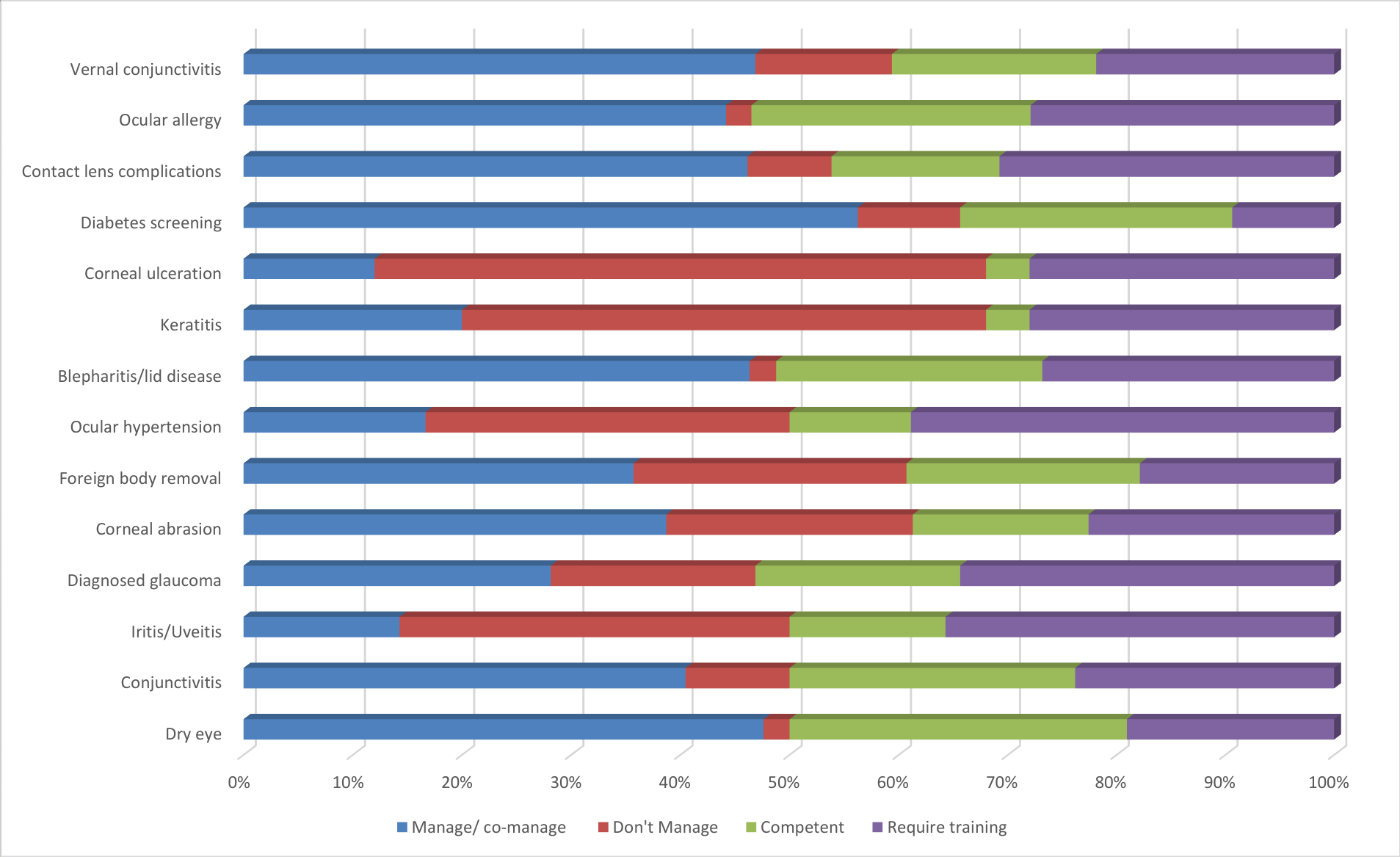
Do you currently manage or co-manage any of the following conditions and if so do you feel you are competent to do so or do you need additional training?
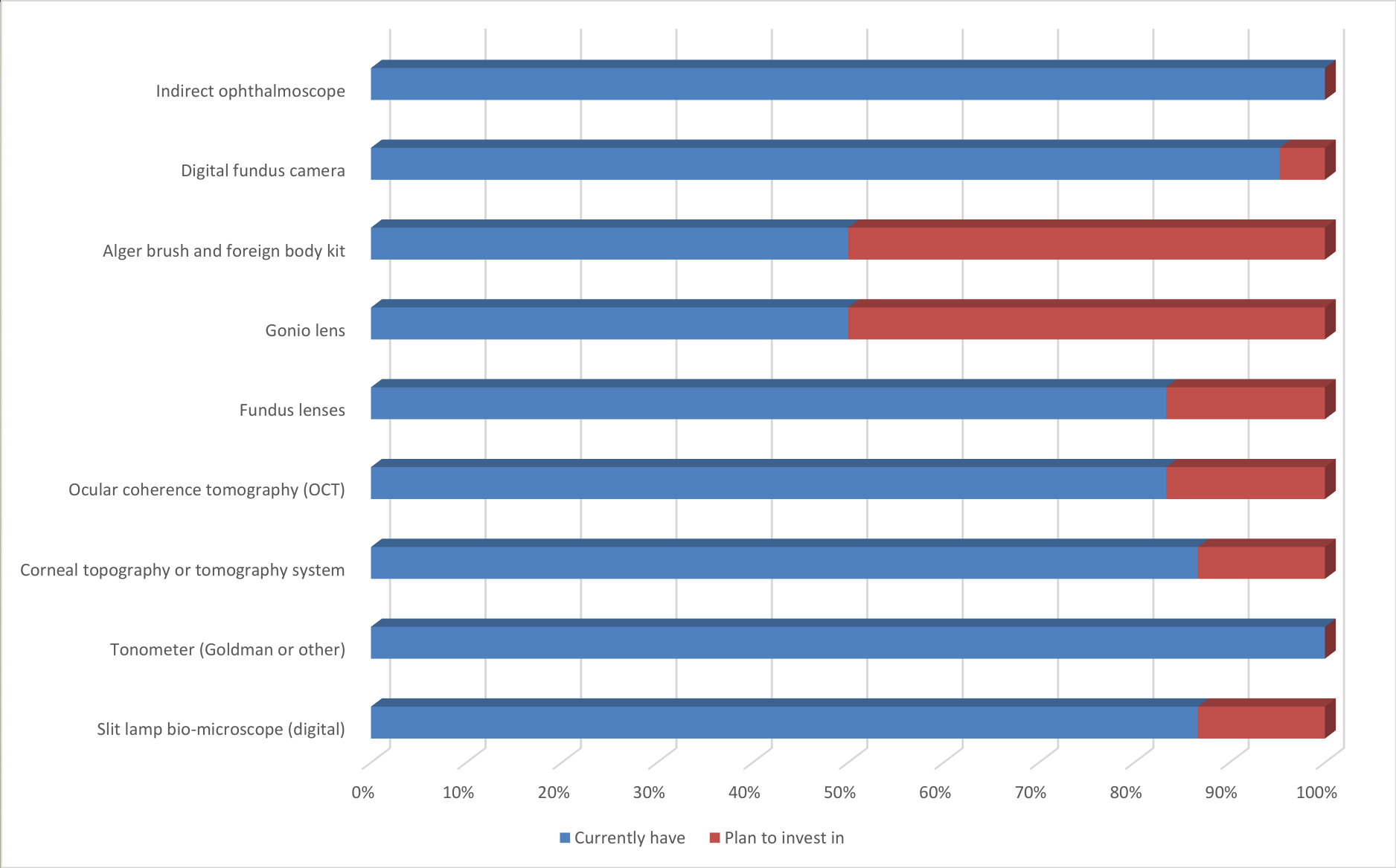
Which of the following specialised equipment do you currently have or plan to invest in?
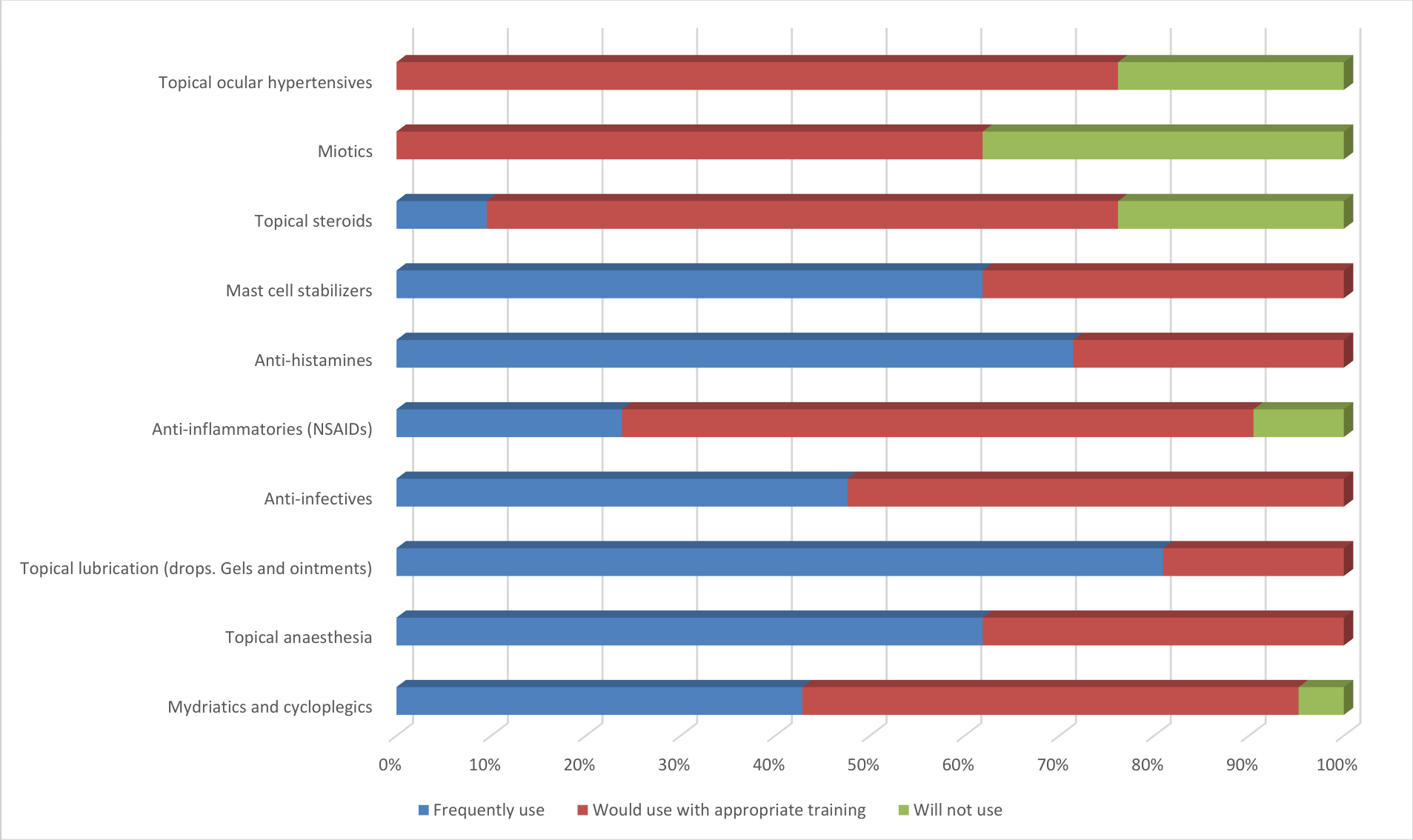
Which of the following topical ophthalmic drugs do you frequently use or feel optometrist should be able to use with appropriate training?
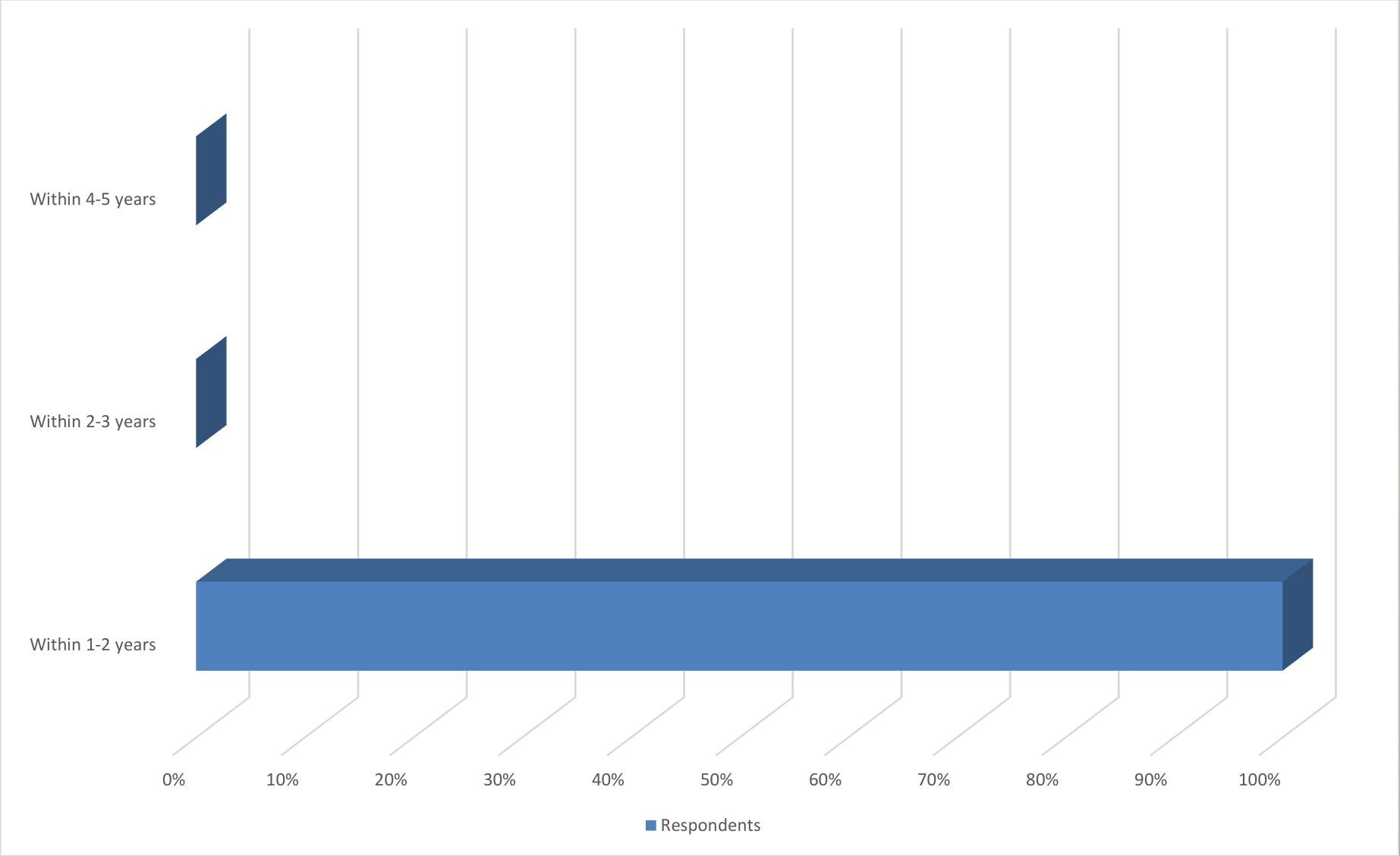
If ocular diagnostics and ocular therapeutics for optometrists are introduced in Namibia, how soon would you like to see this happen?
What is the Opinion of Ophthalmology?

“Today’s optometrists have the whole world of Ophthalmology at the click of a button. They can look up anything ophthalmological in seconds on Google. They can watch anything ophthalmological on YouTube. The old argument that their knowledge is inadequate no longer holds water. It’s a different world now”
Dr Clive Novis, As I see it: Ophthalmology versus optometry; Vol 11 | No 4 • Spring 2016 SA Ophthalmology Journal 46
- “Optometrists are in an excellent position to diagnose and treat certain ocular conditions without posing a danger to the public. There are also now formal courses available for optometrists who want to expand their abilities to diagnose and treat certain ocular conditions”
- “These are the type of optometrists who can make a great contribution to South Africa with its inadequate supply of ophthalmologists. Red tape, rules and regulations should not stand in their way”
Dr Clive Novis, As I see it: Ophthalmology versus optometry; Vol 11 | No 4 • Spring 2016 SA Ophthalmology Journal 46
What should the scope of and optometrist be?
- Optometrists should function as primary and secondary eye care providers who are especially experienced in:
- Conducting routine comprehensive eye exams
- Fitting contact lenses and determining eyeglass prescriptions
- Treating and managing common eye diseases such as red eye, glaucoma, anterior uveitis, diabetic retinopathy and dry eye syndrome
- When patients require tertiary care and surgical management, optometrists will often refer and co-manage with ophthalmology
- When systemic conditions are suspect, today’s optometrists will co-manage medical cases with other medical specialties including internal medicine, emergency medicine, neurology, rheumatology, dermatology, paediatrics, oncology, and radiology
What is the effect of increased scope world wide?

Better Care
- Earlier diagnosis
- More accurate diagnosis
- Earlier secondary referral
- Increased confidence and training reduced referral rates and unnecessary referral
Cost Benefits
- Fewer prescriptions written
- Earlier secondary care = better treatment
- High cost of over-trained personnel who are under-utilised
- Offset capital costs into primary sector
Dr Nick Rumney, Optometrist, Hereford United Kingdom
Conclusion
- Optometrists are primary eye care providers, and should work closely with organised medicine to provide care and eliminate the great need for eye care that exist on the African continent
- This requires additional post graduate training, changes in legislation, and the scope of practice
Sir Winston S. Churchill
“This is not the end
it is not even the beginning of the end
but it might be the end of the beginning”